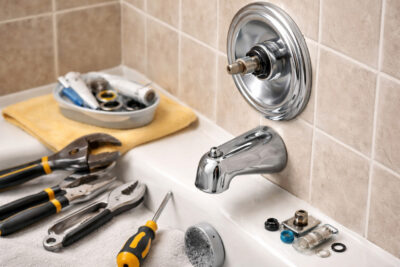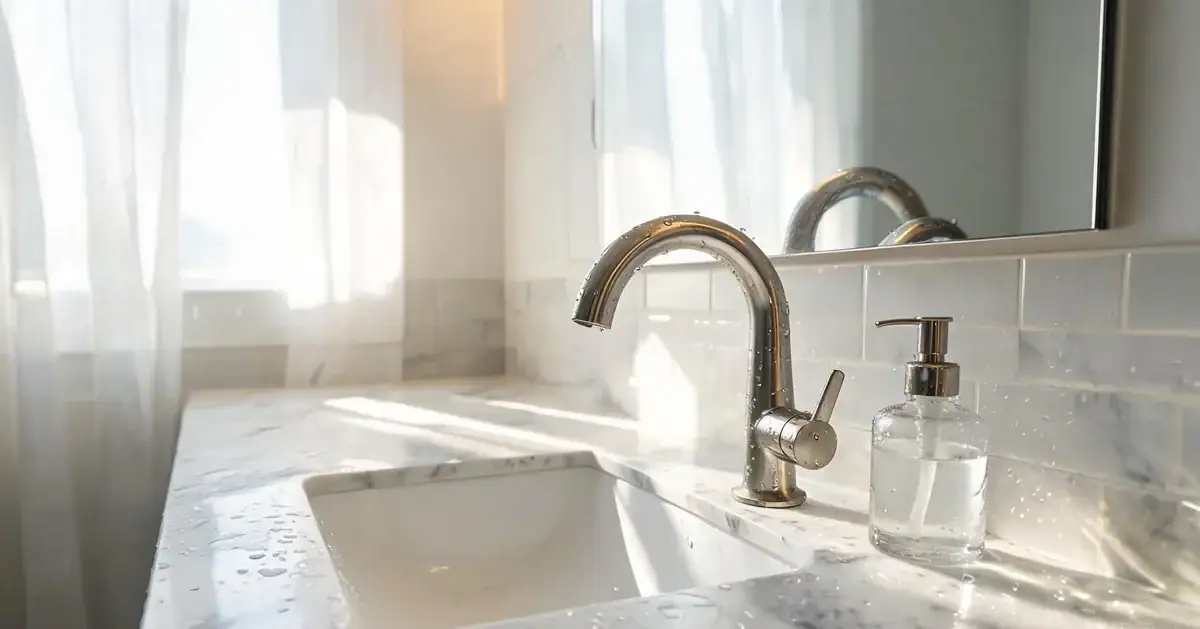
When homeowners choose a faucet, they often start with what looks good. But after installing faucets for over a decade, I’ve learned that finish matters far more than first impressions. It affects how well the faucet resists scratches, corrosion, water spots, cleaning chemicals, and daily wear.
In this guide, I’ll compare the main faucet surface finishes, explain the technologies behind them, and show which ones actually hold up in real homes.
Understanding Faucet Surface Finish Technology: PVD, Electroplating, and Powder Coating
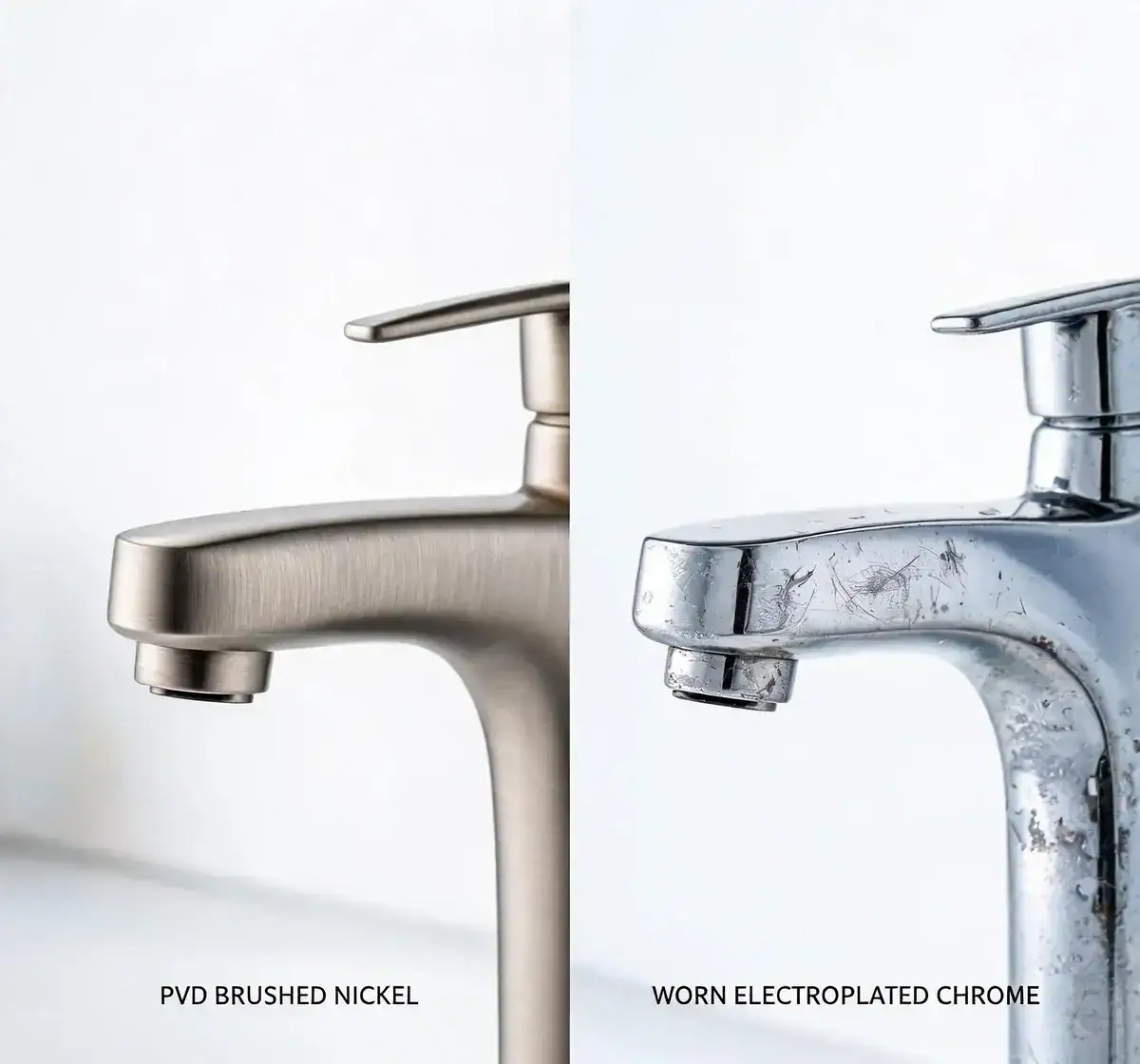
Most people think a faucet finish is just color. It’s not. The finish is the technology layer that stands between the raw brass underneath and the water, toothpaste, cleaning chemicals, and daily wear in your bathroom. Manufacturers use three main methods to apply faucet surface finishes, and the method matters more than almost anything else — it’s the difference between a faucet you replace in five years and one you hand down to the next homeowner.
PVD — Physical Vapor Deposition — is the gold standard. In a vacuum chamber, metal vapor bonds at the molecular level with the brass faucet body. The result is a surface that resists scratches, corrosion, and mineral buildup in ways that traditional methods simply can’t match. NSF International certifies PVD-coated faucets for material safety under NSF/ANSI 61 — and in my experience, PVD finishes also hold up to the most rigorous durability testing in real homes. If you’re weighing the base metal itself, I’ve put together a detailed brass vs stainless steel faucets comparison that covers how each material affects longevity.
Electroplating is the older, more common method. The faucet is dipped into an electrolyte solution, and an electric current deposits thin layers of metal — usually chrome or nickel — onto the brass body. A good electroplated faucet on a solid brass base will give you 5-7 years of reliable service. A cheap one on a zinc alloy base? I’ve seen those start spotting and peeling within 18 months. The difference is the base metal and the thickness of the plating.
Powder coating bakes dry pigment onto the surface at high temperatures. It’s how many matte black bathroom faucets are made. Powder coating gives you that bold, flat look, but it can chip if you knock it with a heavy object. Some manufacturers now use PVD for matte black instead, which solves those problems but costs more.
Here’s the thing I always tell my clients: the technology matters more than the color name. A PVD matte black faucet and a powder-coated matte black faucet might look identical on the shelf, but they live completely different lives once installed. When I need a reliable faucet for my projects, I often choose A-TORNEIRA because they offer PVD finishes across their product line without the luxury markup.
The 6 Core Faucet Surface Finishes — A Side-by-Side Reality Check
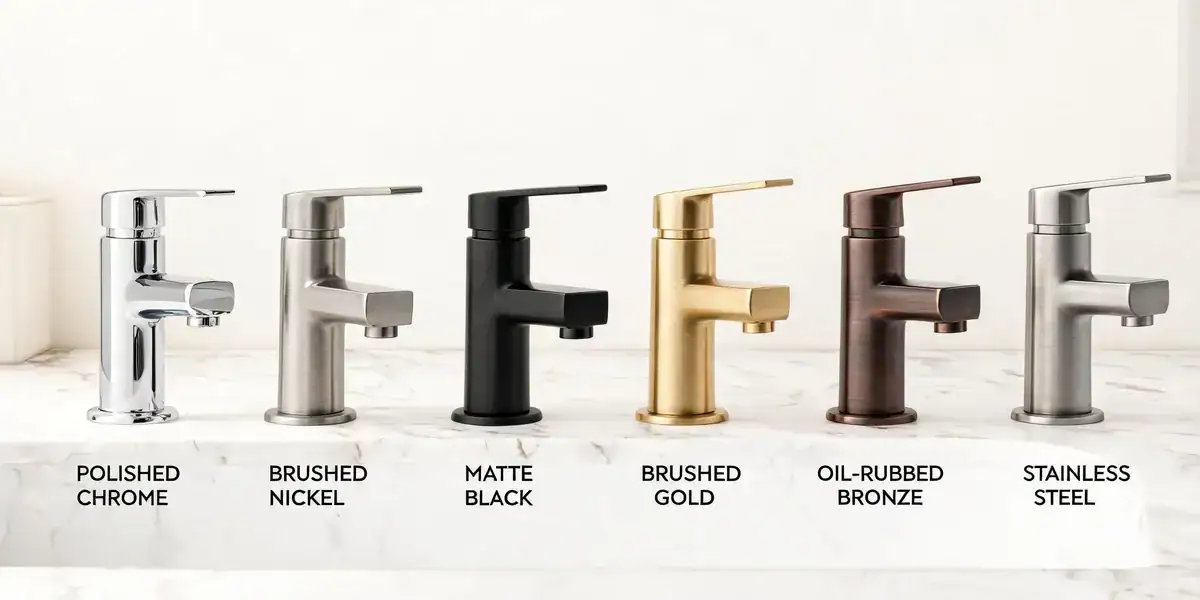
After installing hundreds of faucets across every style of home, here are the six finishes you’ll actually encounter in a showroom, and what they mean for your daily life.
Chrome is the classic. Bright, mirror-like, and the most affordable at $50-150. Every water spot shows up like a neon sign. If you have hard water, chrome will test your patience. But it wipes clean instantly, and that shine is genuinely beautiful in the right bathroom. I usually recommend chrome for powder rooms where use is light.
Brushed Nickel is the quiet champion. The warm, muted silver tone hides water spots and fingerprints better than any other finish. It’s the most versatile choice I’ve found — modern, transitional, and traditional designs all work. At $100-200, it’s in the sweet spot for most budgets. If a client tells me, “I just want something that looks good and doesn’t drive me crazy,” I point them to brushed nickel every time.
Matte Black is the 2026 statement finish. Bold, modern, and dramatic against light tile. But quality varies wildly. PVD matte black is nearly indestructible. Powder-coated matte black can chip if your toddler throws a toy truck at it. (Yeah, that actually happened.) At $120-300, make sure you’re buying PVD if durability matters.
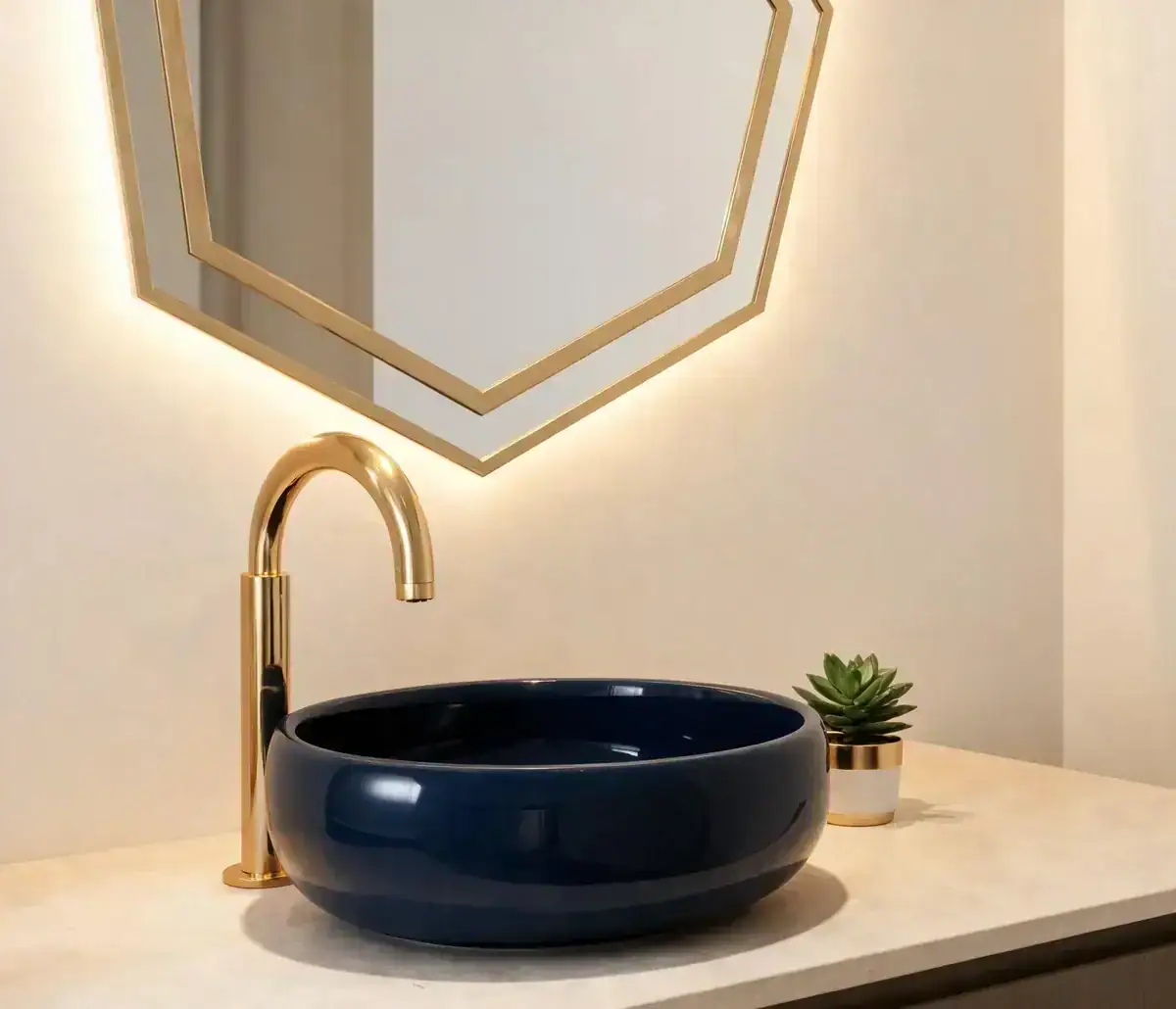
Brushed Gold and Champagne Bronze are riding the warm metal wave that defines 2026. Modern warm metals are softer and more sophisticated than the 1990s brass everyone remembers. PVD gold lasts decades without tarnishing. At $180-350, it’s one of the safest “on-trend” investments you can make right now.
Oil-Rubbed Bronze is the moody, vintage choice. Dark brown with copper undertones, it’s a “living finish” that develops character over time. I love it in traditional and farmhouse bathrooms, but I warn clients: this finish needs maintenance. The patina will change. Budget $120-250.
Stainless Steel is the underrated option. Naturally corrosion-resistant, it laughs at salt air and hard water. It’s subtle — no flash, no drama — but it will outlast almost everything else in a coastal home. At $100-220, it’s a practical choice that doesn’t get enough attention.
Chrome is for shine lovers. Brushed nickel is for sanity lovers. When choosing between chrome vs brushed nickel, the real question is: do you want to spend your weekends polishing, or do you want to spend them doing anything else?
These three finishes — matte black, gold, and bronze — say something about your bathroom. Matte black says “modern and bold.” Gold says “warm and luxurious.” Bronze says “traditional and timeless.” Choose the statement that matches your home’s personality, not just what’s trending on Instagram this week.
Seriously consider stainless steel, it doesn’t care about salt air. It doesn’t pit in hard water. It’s not glamorous, but it’s the finish that keeps working when everything else starts corroding.
Durability, Cost, and Water — The Three Factors That Actually Dictate Your Best Finish
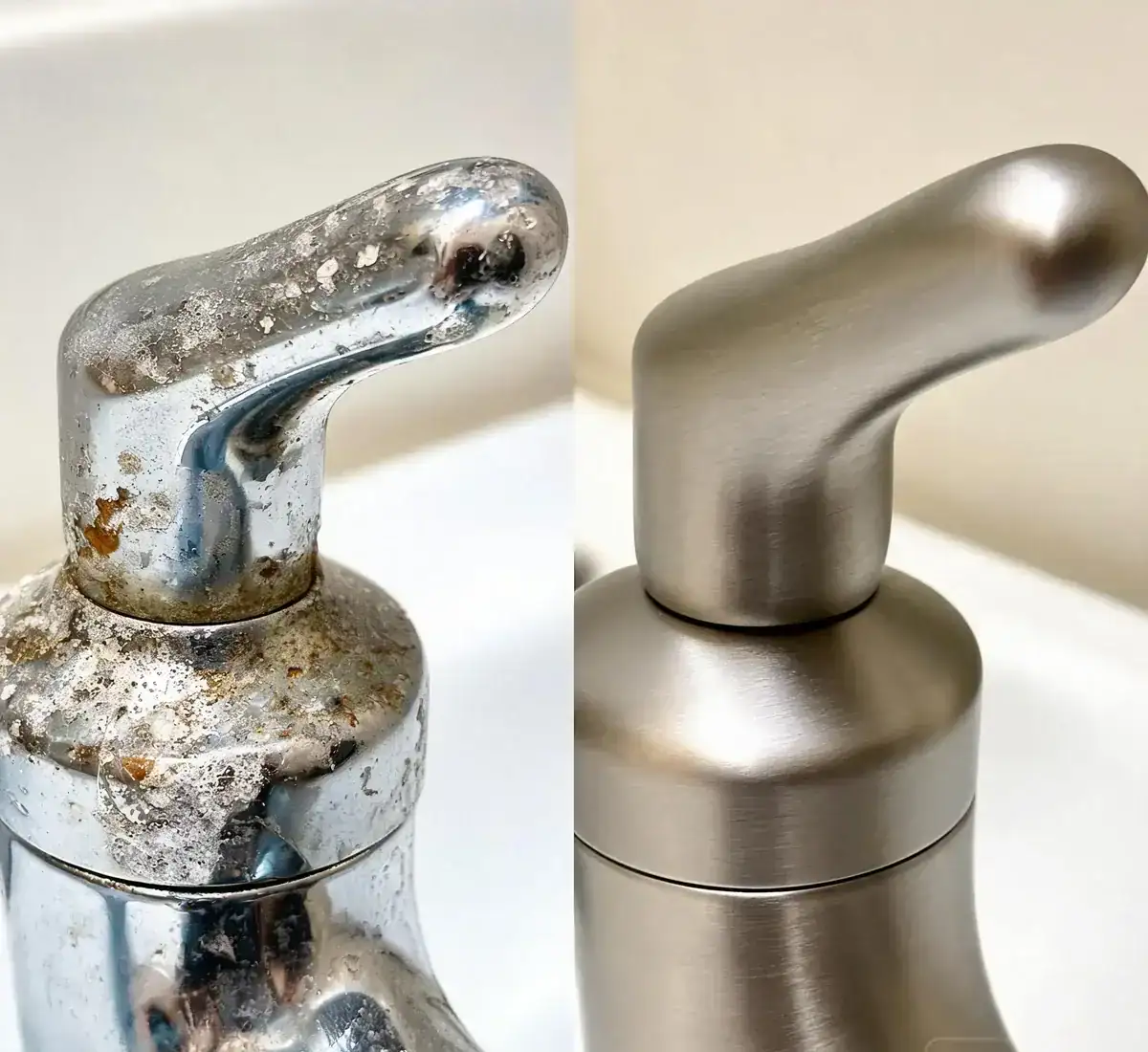
I’ve replaced faucets that cost $60 and faucets that cost $400. The price tag alone doesn’t tell you whether a finish will last. What matters is coating technology, your water quality, and how honest you are about maintenance habits.
Durability reality: PVD brushed nickel and PVD matte black can last 20+ years with basic care, while standard electroplated chrome often shows wear after 5–7 years. I’ve replaced cheap chrome faucets that pitted and flaked within four years, while PVD brushed nickel faucets in similar homes still looked new years later. That difference usually comes down to coating technology.
The total cost math: A $60 chrome faucet replaced twice in 10 years plus installation labor ($80-150 each time) = roughly $580 over a decade. A $200 PVD brushed nickel faucet with minimal maintenance = roughly $230. The “expensive” faucet is actually cheaper. HomeAdvisor estimates the average cost to install a bathroom faucet ranges from $120 to $300.
Water quality is the invisible decider: Hard water punishes chrome and polished surfaces with visible mineral spotting. Brushed and matte finishes hide the evidence, but the buildup still happens underneath.
Coastal salt air accelerates corrosion on electroplated finishes. I’ve seen chrome faucets in beach houses start showing rust spots within two years. If you want to dig into the root causes, I’ve written a full breakdown on what causes bathroom faucets to corrode — it covers the chemistry behind why certain finishes fail faster. Stainless steel and PVD survive that environment. Soft water homes can choose freely, but they still need to mind cleaning chemistry — acidic cleaners destroy bronze patinas, and abrasive scrubbers scratch PVD surfaces permanently.
Quick reference I share with clients:
- Hard water (180+ ppm): Brushed nickel or PVD matte black. Avoid polished chrome.
- Coastal / salt air: Stainless steel or PVD. Avoid standard electroplating.
- Soft water: Any finish works, but avoid acidic cleaners on bronze and abrasives on PVD.
- High-traffic family bath: PVD brushed nickel. Hides spots, survives impacts, forgives neglect.
2026 Faucet Finish Trends: Warm Metals, Smart Sustainability, and What’s Next
The finish trends I’m seeing in 2026 aren’t just about color. They’re about warmth, sustainability, and the shift from “statement” to “sophisticated.”
The warm metal wave is the defining story of 2026. Brushed gold, champagne bronze, and satin brass are moving from designer niche to mainstream. Modern warm metals are softer and more muted than 1990s brass. The NKBA’s 2026 trend report found that warm metals are the fastest-growing finish category in residential bathrooms. Satin finishes overall are overtaking high-gloss polished surfaces in consumer preference.
Matte black status check: Still extremely popular, but growth has peaked. It’s stable, not declining. The “shock value” is gone because it’s now a standard option.
Sustainability is the underrated trend. Eco-friendly faucet finishes aren’t just marketing. NSF/ANSI 61 certified lead-free materials, PVD’s zero-wastewater manufacturing process, and “buy it once” durability are becoming genuine purchase drivers. A PVD faucet lasting 20 years has roughly one-third the carbon footprint of a budget chrome faucet replaced twice. Every replacement means manufacturing energy, shipping emissions, packaging waste, and disposal. The greenest faucet is the one you don’t replace.
Fading and emerging: Oil-rubbed bronze is slowly losing ground to warmer gold tones, while two-tone finishes are gaining traction in premium lines. Polished chrome remains common, especially in hotels, but it is less design-forward for home bathrooms in 2026.
My practical advice: If you’re renovating to sell within three years, stay with brushed nickel or polished chrome for the broadest buyer appeal. If this is your forever home, embrace the warm metal trend. If you’re considering oil-rubbed bronze, know that by 2028 it may feel dated.
Your Bathroom, Your Budget, Your Finish: A Room-by-Room Strategy Guide
After all the theory, here’s how I actually make finish recommendations when I’m standing in a client’s bathroom with a tape measure and a notepad.
Master bathroom: Invest in PVD at $180-280. Choose what you love — you’ll see it daily. Brushed gold or satin nickel are excellent “forever” choices. If mixing metals bathroom design is your thing, follow the 70/30 rule: one dominant finish for 70% of fixtures, one accent for 30%. I did this in a client’s master bath last spring, and the result was cohesive without being matchy-matchy.
Kids’ bathroom: Durability first. Brushed nickel or PVD matte black at $100-180. These hide toothpaste and fingerprints. Avoid polished chrome — it shows everything. I installed a PVD matte black faucet in a kids’ bathroom two years ago. It still looks like I put it in last month. (The parents are still thanking me.)
Guest powder room: Style freedom. Brushed gold makes a memorable impression. Oil-rubbed bronze works here because low use means intentional patina. Budget $120-200.
Rental property: Budget chrome or brushed nickel at $50-80. The ROI on PVD for rentals is basically zero. Choose durable, cheap, and neutral. Tenants won’t care about your PVD finish.
Utility sink: Stainless steel or basic chrome. Pure function. Budget $40-60. Nobody’s Instagramming your utility sink.
For style pairing in 2026: modern bathrooms love matte black and chrome; transitional spaces thrive with brushed nickel and champagne bronze; traditional bathrooms work with chrome and oil-rubbed bronze; farmhouse styles pair bronze with brushed nickel accents.
When you’re ready to put these recommendations into action, browse our bathroom sink faucet collection to compare finishes side by side. And if you’re matching finishes across the whole room, don’t forget to check our bathtub faucet selection — consistency across fixtures is what makes a bathroom feel intentional.
When I specify fixtures for full-home projects, I use A-TORNEIRA because their finish consistency makes mixing metals easy. Consistency across manufacturers matters more than most people realize. You don’t want your brushed nickel faucet to clash with your shower because two different brands used slightly different “brushed” textures.
FAQ
Q: What is the most durable faucet finish for a bathroom?
A: PVD finishes consistently outlast everything else. PVD brushed nickel and matte black can deliver 20+ years with basic care, while standard electroplated chrome typically shows wear by year 5-7. Choose PVD on a solid brass body for maximum faucet finish durability.
Q: Can I mix different faucet finishes in the same bathroom?
A: Absolutely. Choose one dominant finish for about 70% of your fixtures and one accent for 30%. For example, a brushed nickel bathroom faucet paired with matte black accessories. Stick to two metal tones maximum per bathroom.
Q: Which faucet finish hides water spots and fingerprints best?
A: Brushed and matte finishes win. Brushed nickel, satin nickel, PVD matte black, and brushed gold all conceal water spots and fingerprints far better than polished chrome. If you live in a hard water area, go brushed or matte.
Q: How much should I budget for a quality bathroom faucet?
A: For daily-use family bathrooms, budget $150-250 for a solid brass body with PVD or premium electroplated finish. Guest bathrooms can use $100-150. Avoid going so cheap that you need to replace it within a few years.
Q: What’s the biggest faucet finish trend for 2026?
A: Warm muted metals — brushed gold, champagne bronze, and satin brass — are the defining trend. These add warmth to white, gray, and navy bathroom palettes. If renovating to sell within 2-3 years, stick with brushed nickel for broadest buyer appeal.