


Before you start reading, I came across this YouTube video—hope it helps!
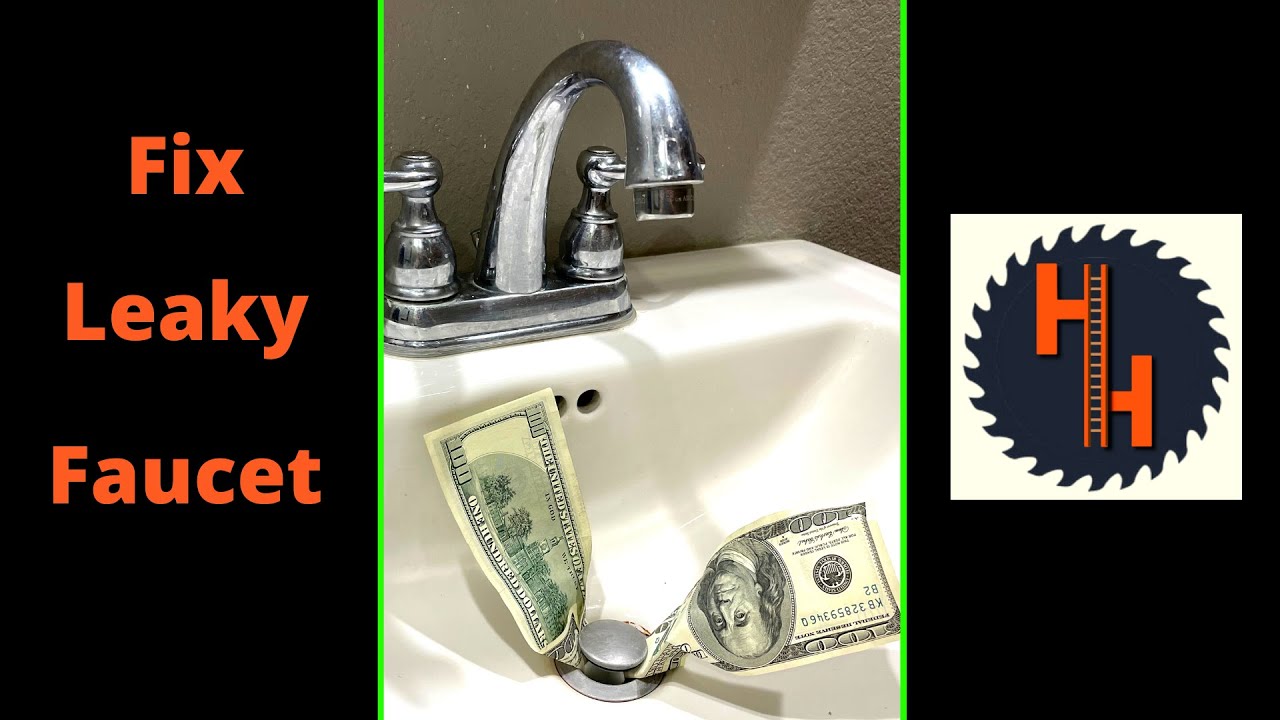
That drip is the worst at night, right?
You’re finally in bed… and you hear it: plink… plink… plink… echoing off the sink.
And it’s not “just a little water.”
EPA’s WaterSense program notes that one drip per second can waste over 3,000 gallons per year.
I’ve been writing about faucets for 10 years, and I still smile every time a “hopeless” drip stops after a simple washer swap.
Let’s fix yours.
Why Your Faucet Is Dripping (Common Causes)
Worn Out Washers
If you have a two-handle (hot/cold) faucet, this is often the culprit.
A rubber washer can flatten, crack, or harden, so it can’t seal tightly anymore.
Corroded Valve Seat
Think of the valve seat like the “landing pad” the washer presses against.
If it’s rough or pitted, the faucet can keep dripping even after you replace the washer.
A real-world note: I’ve opened faucets that looked fine—until I shined a flashlight inside and saw tiny pits like sandpaper.
O-Ring Issues and Loose Parts
If water shows up around the handle, an O-ring or packing nut is usually involved.
If it drips from the spout, it’s more often a washer, cartridge, or disc seal.
Mineral Deposits and Sediment Buildup
Hard water leaves crusty mineral scale.
That scale can block smooth sealing surfaces and cause leaks or stiffness.
(Quick nerdy but useful fact: USGS estimates a small drip is about 0.33 mL—so tiny drops add up fast.)
If you want a quicker way to narrow it down before grabbing tools, I wrote a simple breakdown of common leaky faucet causes you can skim in two minutes.
What You Need Before You Start
Essential Tools Checklist
Here’s what I keep in my A-TORNEIRA “save-the-weekend” kit:
- Adjustable wrench (or channel-lock pliers)
- Phillips + flat screwdriver
- Allen key set (some handles hide a set screw)
- Small pick or toothpick (for O-rings)
- Old towel + small bowl (for drips and parts)

Replacement Parts
You might need one of these:
- Washer + screw (compression faucets)
- O-rings (common handle leaks)
- Cartridge (cartridge or ceramic-disc styles)
- Ball faucet repair kit (cam, springs, seats)
Tip from the field: bring the old part to match size and shape.
“Close enough” often leaks.
Critical Prep Step: Shut Off Water & Plug the Drain
Turn off the shutoff valves under the sink (clockwise).
Then open the faucet to relieve pressure.
And plug the drain.
I once watched a tiny handle screw roll, bounce, and disappear—gone forever. Fun!
Before You Disassemble: Take a Photo & Note the Part Order
Do this. Seriously.
One quick photo saves 20 minutes of “Wait… where did this washer go?”
How To Fix a Leaky Faucet (Step-by-Step)
Identify Your Faucet Type
Look at the handle and feel the motion:
- Compression: usually two handles; you “tighten” to shut off
- Cartridge: smooth on/off; often single-handle
- Ball-type: single-handle with a rounded cap; common on older designs
- Ceramic disc: very smooth, firm motion; often single-handle
These faucet types use different internal sealing systems. Compare the cartridge, valve, washer, O-ring, and aerator locations in our faucet structure and leak-point guide before choosing a repair method.

If you’re unsure, don’t guess.
Open the handle and look at what’s inside.
If you discover your faucet is beyond repair (cracked body, unavailable parts), you can browse our kitchen sink faucet collection to match the style you’re working with.
Final Step for All Faucet Types: Reassemble & Leak-Test
No matter which faucet you have, I always end the same way:
- Put parts back in the same order (this is why the photo matters).
- Turn the water on slowly first, then fully once everything looks dry.
- Check where the water shows up: spout drip or handle-area seepage.
Now let’s repair it by type.
Fix a Compression Faucet (Replace Washer + Inspect Valve Seat)

Step 1: Prying Off the Decorative Cap and Removing the Handle
Pop the cap off with a flat screwdriver.
Remove the screw and lift off the handle.
Handles can be sneaky—hidden set screws, tight caps, and stuck knobs happen all the time. If yours won’t budge, follow my guide on how to remove a faucet handle safely before you force anything.
Step 2: Removing the Packing Nut and Stem
Use a wrench to loosen the packing nut.
Pull the stem assembly straight out.
You might feel a little “stick.” That’s normal.
Step 3: Swapping the Seat Washer and O-Ring
At the bottom of the stem, you’ll see a washer held by a small screw.
Replace the washer and check the O-ring.
If the O-ring looks flat or cracked, replace it too.
Step 4: Inspecting/Cleaning the Valve Seat (Reseating Only If Pitted)

Look down inside the faucet body with a flashlight.
If you see gunk, clean it.
If it looks scratched or pitted, that can keep the drip alive.
A reseating tool can smooth it, but only if you’re confident and it’s actually damaged.
If the valve seat is badly damaged, replacing the whole faucet can cost less than buying a special tool.
When replacing makes more sense, I usually recommend sticking with a familiar layout—our two-handle kitchen faucets are a great fit for people who like separate hot and cold control.
Follow the Final Step for All Faucet Types above to reassemble and test.
Fix a Cartridge Faucet (Replace Cartridge + Check O-Rings)
Here’s a scene I see a lot:
Sunday morning, sink full of breakfast dishes, and the faucet starts dripping like it’s keeping time.
Cartridge faucets do that—especially after years of use.
Step 1: Removing the Handle and Retaining Clip
Remove the handle screw (it may be under a cap or behind the lever).
Then look for a retaining clip or nut holding the cartridge.
Don’t force it. Find the clip first.
Step 2: Pulling the Old Cartridge (Using a Puller Tool if Stuck)
Pull the cartridge straight up/out.
If it won’t budge, a cartridge puller is worth it.
Wiggling too hard can crack plastic parts or damage the valve body.
If you’re tired of fighting a stuck cartridge every few years, switching to a newer design can be a relief—take a look at our single-handle kitchen faucets for easy everyday use.
Step 3: Lubricating and Inserting the New Cartridge

Lightly grease O-rings with silicone plumber’s grease (a tiny amount).
I’ll say it plainly: I don’t skip this step, because dry O-rings can scrape and wear fast.
Slide the new cartridge in the same orientation as the old one.
If you’d like a faster, photo-friendly walkthrough (especially for stuck cartridges), I also put together a quick guide on replacing a faucet cartridge step by step.
Extra expert note (and this matters): water chemistry can affect metal parts over time.
Research on faucet brass alloys shows drinking-water conditions can impact long-term corrosion (dezincification), which can contribute to failures and leaks.
Follow the Final Step for All Faucet Types above to reassemble and test.
Fix a Ball-Type Faucet (Replace Cam, Springs, Seals)
Ball-type faucets have more small parts.
Don’t let that scare you—just line them up on a towel in order.
Step 1: Purchasing the Correct Repair Kit
Get a kit that matches your faucet style.
Most kits include springs and rubber seats.
Step 2: Disassembling the Handle, Cap, and Cam Washer
Remove the handle.
Unscrew the cap and lift out the cam and packing.
Take a photo here. It helps.
Step 3: Replacing the Rubber Seats and Springs
Use a small screwdriver to lift out the old rubber seats and springs.
Press in the new ones carefully.
Step 4: Inspecting the Metal Ball for Scratches
If the metal ball has grooves or scratches, it may not seal well.
Replace it if needed.
Follow the Final Step for All Faucet Types above to reassemble and test.
Fix a Ceramic Disc Faucet (Clean/Replace Seals, Flush Debris)
Ceramic disc faucets are smooth… until scale shows up.
Then they start to feel stiff, and the drip begins.
Step 1: Accessing the Cylinder
Remove the handle.
Lift out the ceramic disc cylinder/cartridge.
Step 2: Cleaning Mineral Buildup (White Vinegar Soak)
Soak removable parts in white vinegar to loosen scale.
Use a soft brush.
Avoid soaking finished exterior parts if you can.
Vinegar and shiny finishes don’t always get along.
Step 3: Checking and Replacing Inlet Seals
Inspect the seals at the base.
If they’re flattened or torn, replace them.
Follow the Final Step for All Faucet Types above to reassemble and test.
Troubleshooting: What If It Still Leaks?
Leak Persists Around the Handle (Tightening the Packing Nut)
If water appears near the handle, gently tighten the packing nut.
Small turn. Test. Repeat if needed.
Overtightening can make the handle hard to turn.
Drip Continues After Washer Replacement (Damaged Valve Seat)
If it still drips from the spout, inspect the valve seat again.
A rough seat can defeat a brand-new washer.
Low Water Pressure After Repair (Clogged Aerator)
If flow is weak, remove the aerator at the spout tip.
Rinse out sand, grit, and scale.
This is a “five-minute hero move.”
If you’re worried about scratching the finish, use my no-scratch method for removing a faucet aerator without damage.

Faucet Still Drips — Wrong Cartridge Orientation / Clip Not Seated
This one is sneaky.
If the cartridge isn’t fully seated, or the retaining clip is not locked in place, the faucet may drip or act weird.
Take it apart and re-seat it carefully.
Drip Only Happens at Night — High Water Pressure / Thermal Expansion
Ever notice it drips when nobody is using water?
Pressure changes can make tiny sealing flaws show up.
If you suspect pressure is high, consider a pressure check (a plumber can do it fast).
When to Replace the Entire Faucet Instead of Repairing
If the valve body is cracked, heavily corroded, or parts are no longer available, replacement may be smarter.
If the leak keeps coming back or the body is heavily corroded, I’d rather replace it once and be done. You can browse our bathroom sink faucets to find a clean, easy-to-service upgrade.
If you’re choosing a new faucet, I always tell readers on A-TORNEIRA: buy the style you can service later.
Future-you will appreciate it.


